"Québec Was Born in My Country!" A Diary of Encounters Between Indigenous and Québécois Peoples
"Québec Was Born in My Country!" A Diary of Encounters Between Indigenous and Québécois Peoples
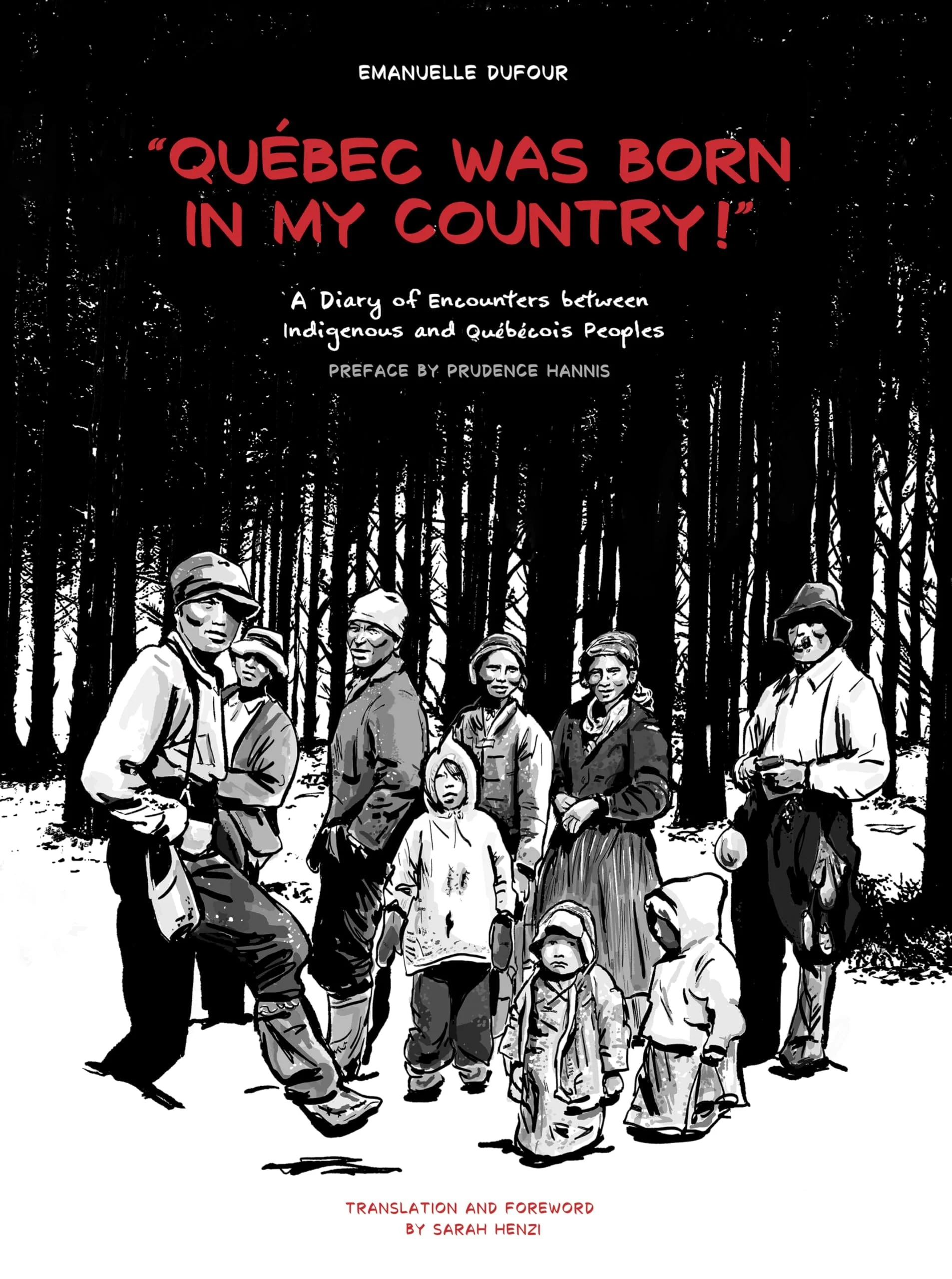
"Québec Was Born in My Country!" is a polyphonic work that explores the legacies of colonial unconsciousness and brings to light stories that have remained in the shadows for too long. In conversation with community members, Elders, spokespeople, students, professionals, and families, Emanuelle Dufour and her co-creators address the settler silence in Quebec regarding residential schools and ongoing colonialism, systemic racism, and inadequate curricular material in schools.
Through her drawings, Dufour visually represents herself and her co-creators recounting their experiences, interrogating early post-contact and recent history, and collectively advocating for the importance of Indigenous cultural security within the education system. Their presence is central, and their voices carry the narrative.
"I was not born in Québec. Québec was born in my country!" educator Anna Mapachee tells us, correcting colonial history. Although systemic racism still shapes Indigenous realities, this diary of encounters bears witness to the work begun by communities to reclaim their languages, ancestral knowledges, and identities.
Description
"Québec Was Born in My Country!" is a polyphonic work that explores the legacies of colonial unconsciousness and brings to light stories that have remained in the shadows for too long. In conversation with community members, Elders, spokespeople, students, professionals, and families, Emanuelle Dufour and her co-creators address the settler silence in Quebec regarding residential schools and ongoing colonialism, systemic racism, and inadequate curricular material in schools.
Through her drawings, Dufour visually represents herself and her co-creators recounting their experiences, interrogating early post-contact and recent history, and collectively advocating for the importance of Indigenous cultural security within the education system. Their presence is central, and their voices carry the narrative.
"I was not born in Québec. Québec was born in my country!" educator Anna Mapachee tells us, correcting colonial history. Although systemic racism still shapes Indigenous realities, this diary of encounters bears witness to the work begun by communities to reclaim their languages, ancestral knowledges, and identities.