Doing Respectful Research Power, Privilege and Passion
Doing Respectful Research is situated within a critical, feminist postmodern framework and addresses the complexities of conducting respectful qualitative research with human participants. Three themes overlap and inform chapter discussions: developing a critical reflexivity, understanding the distance dynamic and engaging in respectful research praxis. The text illustrates how power, privilege and passion influence decisions about what gets researched, who is positioned as researcher or participant and how data are collected, analyzed and ultimately represented in public ways.
Tilley explores the intersecting elements of the research process, which include deciding on a research focus and articulating research questions; choosing an appropriate research site and participants; collecting, analyzing and representing data; and making decisions about the dissemination and publication of findings. She emphasizes the dilemmas researchers experience when faced with issues of respectful representation of data, participants and research contexts. Unique to the book are the comprehensive discussions of the advisement process and the student-advisor relationship and Tilley's use of her doctoral research to carefully illustrate elements of the research process. Each chapter ends with an annotated bibliography of relevant research connected to concepts addressed in the chapter.
Tilley offers a comprehensive consideration of research ethics, including guidance for the completion of institutional requirements for review of research involving human participants and an exploration of the complicated ethical issues that emerge during the research process.
Doing Respectful Research is written for student researchers, individuals who teach and advise students, instructors of qualitative research courses in social sciences, health and education, and community members interested in qualitative methods and conducting research.
Tilley explores the intersecting elements of the research process, which include deciding on a research focus and articulating research questions; choosing an appropriate research site and participants; collecting, analyzing and representing data; and making decisions about the dissemination and publication of findings. She emphasizes the dilemmas researchers experience when faced with issues of respectful representation of data, participants and research contexts. Unique to the book are the comprehensive discussions of the advisement process and the student-advisor relationship and Tilley's use of her doctoral research to carefully illustrate elements of the research process. Each chapter ends with an annotated bibliography of relevant research connected to concepts addressed in the chapter.
Tilley offers a comprehensive consideration of research ethics, including guidance for the completion of institutional requirements for review of research involving human participants and an exploration of the complicated ethical issues that emerge during the research process.
Doing Respectful Research is written for student researchers, individuals who teach and advise students, instructors of qualitative research courses in social sciences, health and education, and community members interested in qualitative methods and conducting research.
$29.10
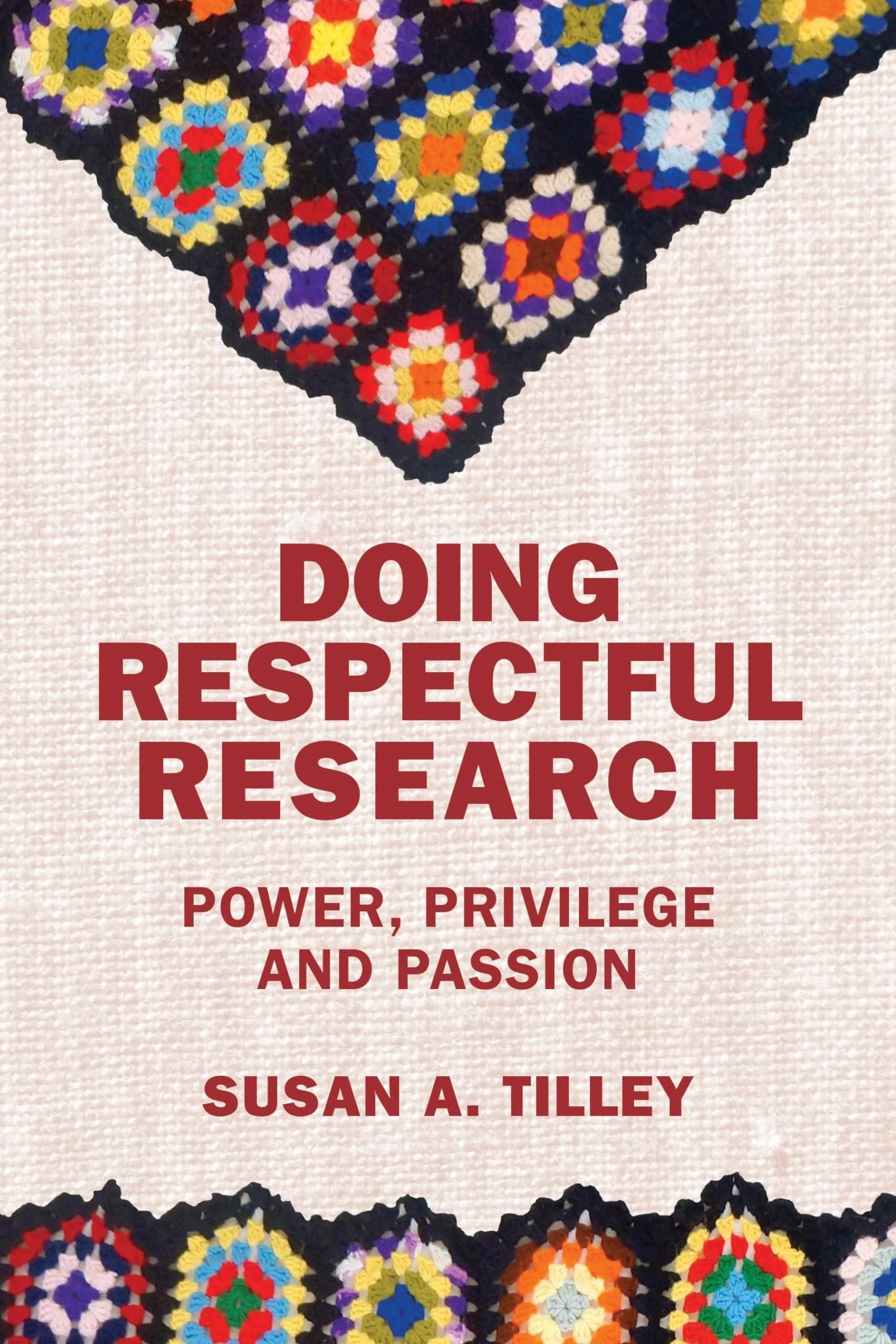
Doing Respectful Research Power, Privilege and Passion—
$29.10
Description
Doing Respectful Research is situated within a critical, feminist postmodern framework and addresses the complexities of conducting respectful qualitative research with human participants. Three themes overlap and inform chapter discussions: developing a critical reflexivity, understanding the distance dynamic and engaging in respectful research praxis. The text illustrates how power, privilege and passion influence decisions about what gets researched, who is positioned as researcher or participant and how data are collected, analyzed and ultimately represented in public ways.
Tilley explores the intersecting elements of the research process, which include deciding on a research focus and articulating research questions; choosing an appropriate research site and participants; collecting, analyzing and representing data; and making decisions about the dissemination and publication of findings. She emphasizes the dilemmas researchers experience when faced with issues of respectful representation of data, participants and research contexts. Unique to the book are the comprehensive discussions of the advisement process and the student-advisor relationship and Tilley's use of her doctoral research to carefully illustrate elements of the research process. Each chapter ends with an annotated bibliography of relevant research connected to concepts addressed in the chapter.
Tilley offers a comprehensive consideration of research ethics, including guidance for the completion of institutional requirements for review of research involving human participants and an exploration of the complicated ethical issues that emerge during the research process.
Doing Respectful Research is written for student researchers, individuals who teach and advise students, instructors of qualitative research courses in social sciences, health and education, and community members interested in qualitative methods and conducting research.
Tilley explores the intersecting elements of the research process, which include deciding on a research focus and articulating research questions; choosing an appropriate research site and participants; collecting, analyzing and representing data; and making decisions about the dissemination and publication of findings. She emphasizes the dilemmas researchers experience when faced with issues of respectful representation of data, participants and research contexts. Unique to the book are the comprehensive discussions of the advisement process and the student-advisor relationship and Tilley's use of her doctoral research to carefully illustrate elements of the research process. Each chapter ends with an annotated bibliography of relevant research connected to concepts addressed in the chapter.
Tilley offers a comprehensive consideration of research ethics, including guidance for the completion of institutional requirements for review of research involving human participants and an exploration of the complicated ethical issues that emerge during the research process.
Doing Respectful Research is written for student researchers, individuals who teach and advise students, instructors of qualitative research courses in social sciences, health and education, and community members interested in qualitative methods and conducting research.